
980 Johnson Ferry Road
Suite420, Atlanta, GA30342
Call Us 24/7
404-252-0256
Monday - Friday
9:00AM to 4:30PM
Our Services
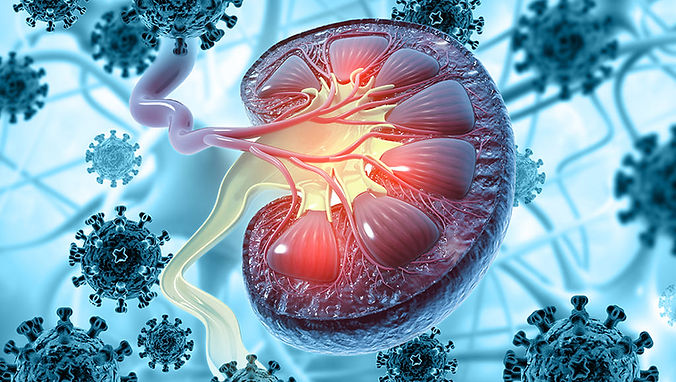
Chronic Kidney Disease (CKD)
Your kidneys, each just the size of a computer mouse, filter all the blood in your body every 30 minutes. They work hard to remove wastes, toxins, and excess fluid. They also help control blood pressure, stimulate production of red blood cells, keep your bones healthy, and regulate blood chemicals that are essential to life.
Chronic Kidney Disease (CKD)
CKD is a condition in which the kidneys are damaged and cannot filter blood as well as they should. Because of this, excess fluid and waste from blood remain in the body and may cause other health problems, such as heart disease and stroke.
CKD is a progressive disease which can get worse over time. If left untreated, CKD can progress to kidney failure and early cardiovascular disease. When the kidneys stop working, dialysis or kidney transplant is needed for survival. Kidney failure treated with dialysis or kidney transplant is called end-stage renal disease (ESRD). Learn more about ESRD.
Not all patients with kidney disease progress to kidney failure. To help prevent CKD and lower the risk for kidney failure, it is very important to control the risk factors for CKD. This involves getting tested yearly, making lifestyle changes, taking medicine as needed, and see your health care team regularly.
Risk Factors for CKD
Diabetes
High blood pressure
Hyperlipidemia
Heart disease
Family history of CKD
Obesity
Symptoms of CKD
Most people may not have any severe symptoms until their kidney disease is advanced. However, you may notice that you:
feel more tired and have less energy
have trouble concentrating
have a poor appetite
have trouble sleeping
have muscle cramping at night
have swollen feet and ankles
have puffiness around your eyes, especially in the morning
have dry, itchy skin
need to urinate more often, especially at night
Complications of CKD
high blood pressure
anemia (low blood count)
weak bones
poor nutritional health
nerve damage
Increased occurrence of infections
Low calcium levels, high potassium levels, and high phosphorus levels in the blood
Quick Facts: CKD Snapshot
37 million American adults have CKD, and millions of others are at increased risk
Early detection can help prevent the progression of kidney disease to kidney failure
Heart disease is the primary cause of death for all people with CKD
Early CKD has no signs or symptoms.
Specific blood and urine tests are needed to check for CKD.
Kidney-Friendly Tips
Keep your blood pressure below 140/90 mm Hg (or the target your doctor establishes for you).
If you have diabetes, stay in your target blood sugar range as much as possible. Keep HbA1C < 7.
Get active—physical activity helps control blood pressure and blood sugar levels.
Lose weight if you’re overweight.
Get tested for CKD regularly if you’re at risk.
If you have CKD, meet with a dietician to create a kidney-healthy eating plan. The plan may need to change as you get older or if your health status changes.
Take medications as instructed and ask your doctor about blood pressure medicines called angiotensin-converting enzyme inhibitors and angiotensin II receptor blockers, which may protect your kidneys in addition to lowering blood pressure.
If you smoke, quit. Smoking can worsen kidney disease and interfere with medication that lowers blood pressure.
Include a kidney doctor (nephrologist) on your health care team.
NAKS Kidney health care center offers Chronic Kidney Disease treatment by top nephrologists in atlanta.